Live at our 12-bed Bluffdale center while you focus on treatment for alcohol or drug use. We can help you decide whether residential care is the right starting point.
Short answer: Traverse Recovery Center provides residential addiction treatment for adults at a 12-bed center in Bluffdale, Utah. Residents live on site while they take part in a structured program. This can give someone time away from daily pressures tied to alcohol or drug use. Medical detox is not provided at TRC. When needed, we help coordinate placement with a partner provider.
A smaller place to live during treatment.
15257 S Scenic Crest Circle.
Residential treatment means you stay at the center while receiving addiction care. It creates distance from the routines and places connected to drinking or drug use. At TRC, the residential setting has 12 beds and a structured daily program.
The National Institute on Alcohol Abuse and Alcoholism describes residential care as a 24-hour treatment setting. A full assessment helps determine whether that level of care fits your needs.
Residential care may be worth discussing if alcohol or drug use keeps pulling you back into the same cycle, or if you need more structure than outpatient visits can provide. You can still be working, raising a family, and managing daily life while needing help.
A stay does require time away from home and work. Admissions can discuss that practical side with you, but the care decision should be based on an assessment of your health, substance use, and support at home. NIAAA explains why different people need different levels of care.
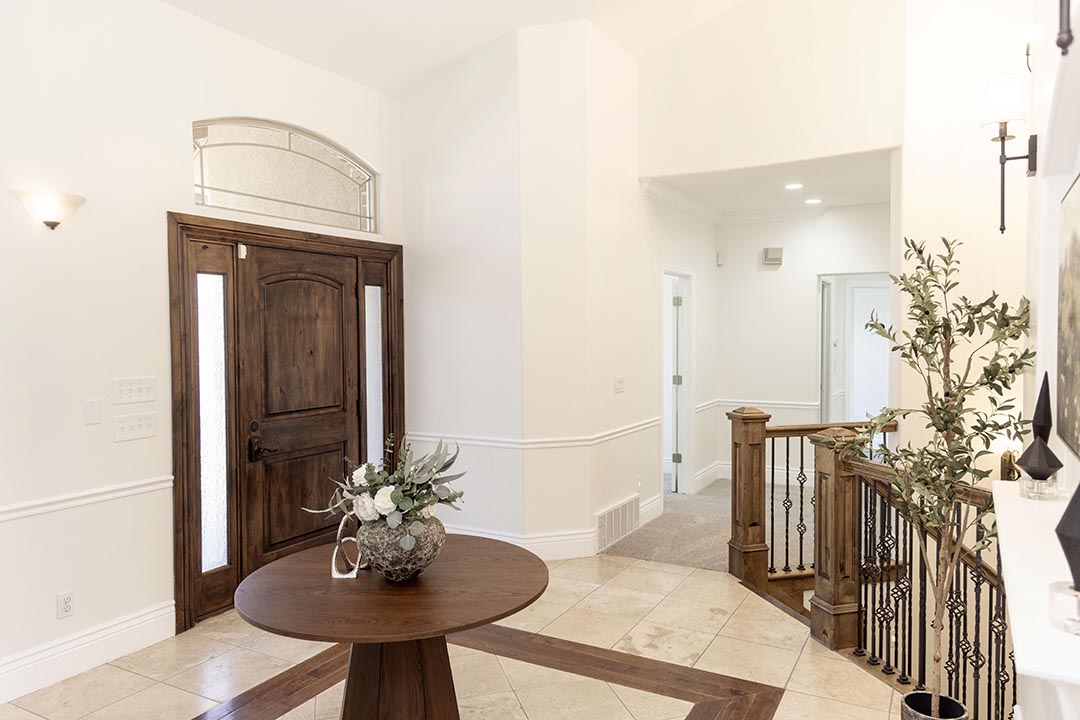
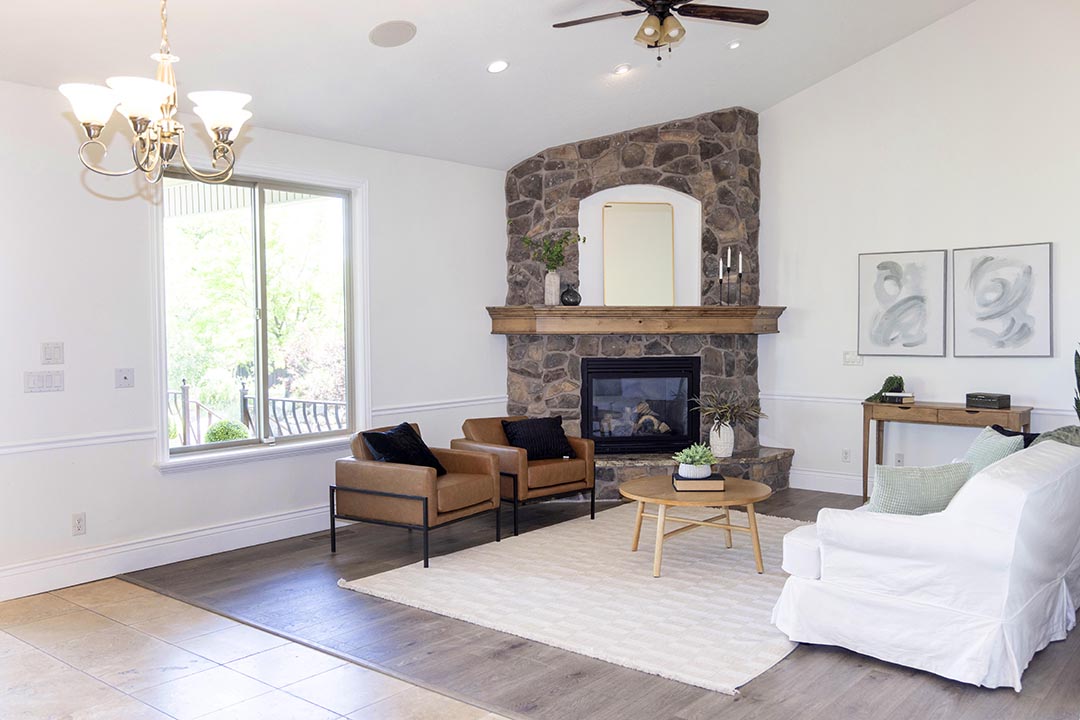
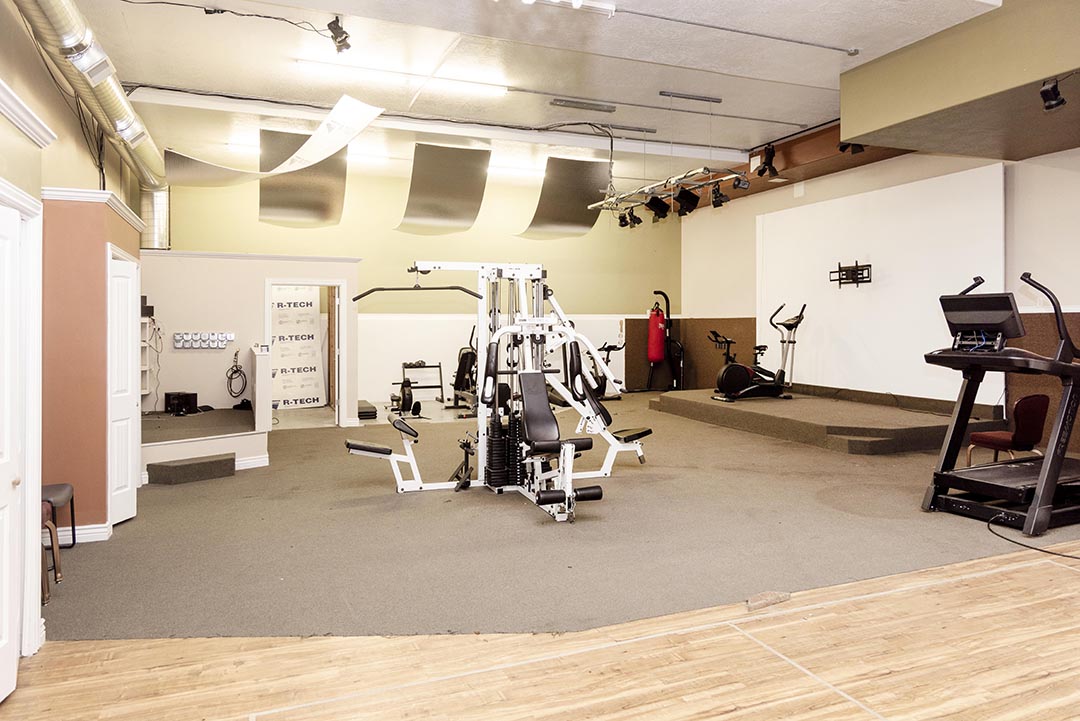
You live at our Bluffdale center rather than traveling in for each visit. The smaller residence has shared living spaces and an exercise room. The goal is to give you a place to focus on treatment and plan for what comes after the stay.
Before you enroll, ask admissions about the current daily schedule, clinical services, room arrangements, visits, and length of stay. We can walk through those details for your situation.
Residential care is one level of treatment. TRC also offers partial hospitalization (PHP) and intensive outpatient care (IOP). Depending on your assessment and progress, one of those may be an appropriate next step after a residential stay.
Some people need medical detox before entering a residential treatment program. TRC does not provide detox on site. When it is needed, our team can work with partner providers to arrange placement within 24 hours, subject to clinical fit and available space.
Tell admissions if you are worried about withdrawal. Do not assume it is safe to stop alcohol or other substances without medical advice.
We work with UnitedHealthcare, University of Utah Health Plans (U Health), UMR, Blue Cross Blue Shield, Aetna, Molina, Cigna, and TriWest Healthcare Alliance. Coverage depends on your exact plan and the care you need. Some people combine insurance with private payment. We can review benefits and expected costs before admission. TRC does not accept Medicaid.
Have your insurance card ready when you call, if you can. We can explain what is known and what still needs confirmation.
You do not need to decide on the level of care before you call.
Location: 15257 S Scenic Crest Circle, Bluffdale, UT 84065. View the Bluffdale facility page.
People often use those words loosely. Residential treatment is a place to live while receiving care. Medically directed inpatient care can involve a different level of medical support. TRC offers residential treatment, and detox is arranged through partners when needed. NIAAA describes the treatment levels.
Ask admissions about a proposed length of stay after your needs are assessed. Insurance authorization and your care plan can affect the timing.
Residential care means staying at the center, so plan for time away from work. If that is not possible, ask whether PHP or IOP could be appropriate.
No. We can help coordinate a separate partner detox placement when medically needed, based on clinical fit and availability.
SAMHSA estimated an annual average of 339,000 Utah adults had a substance use disorder in 2023–2024. That is a population estimate, not the number who need residential treatment. Source: Utah state tables, Table 99B.
Tell us what is going on. We can discuss residential care, detox referrals, insurance, and other treatment options.